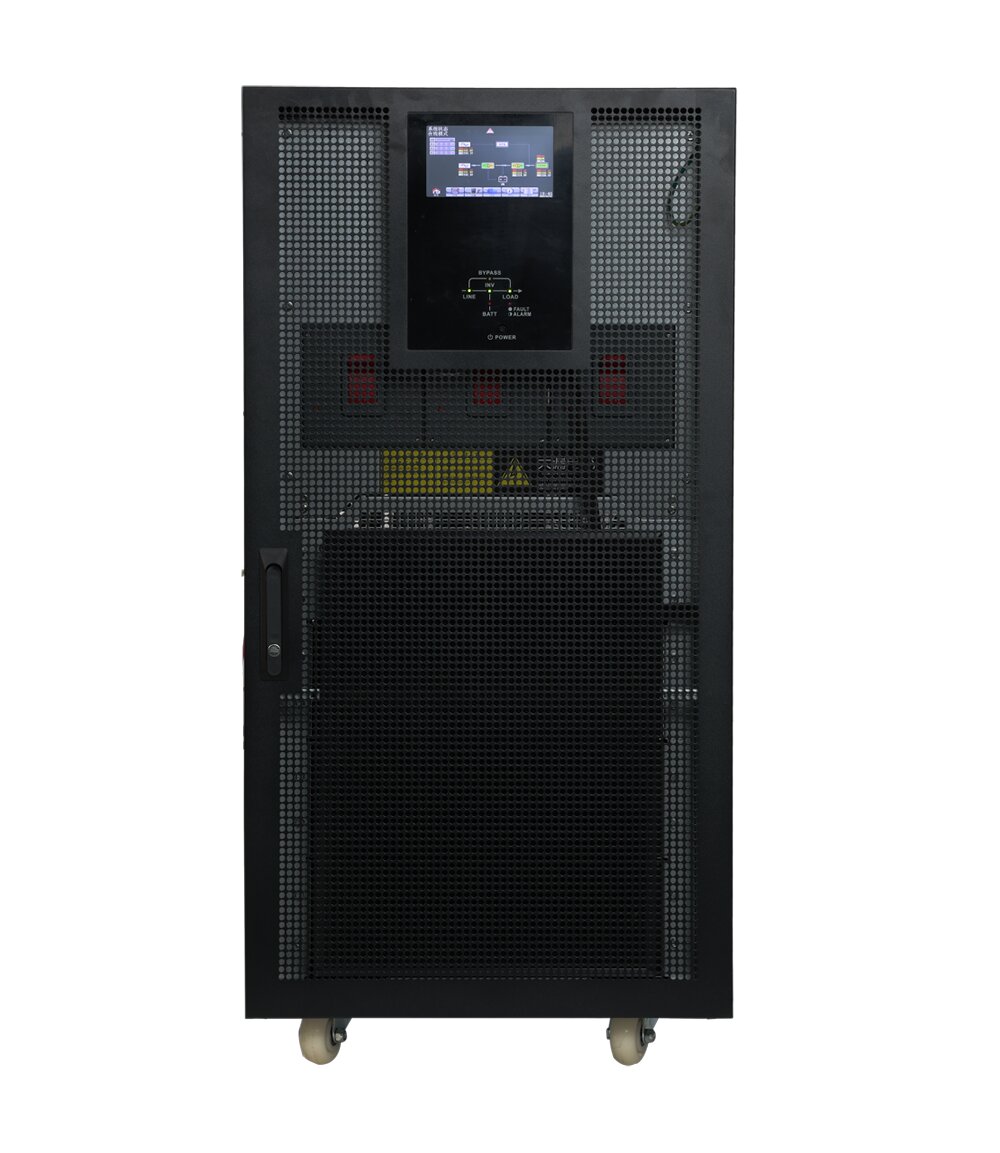
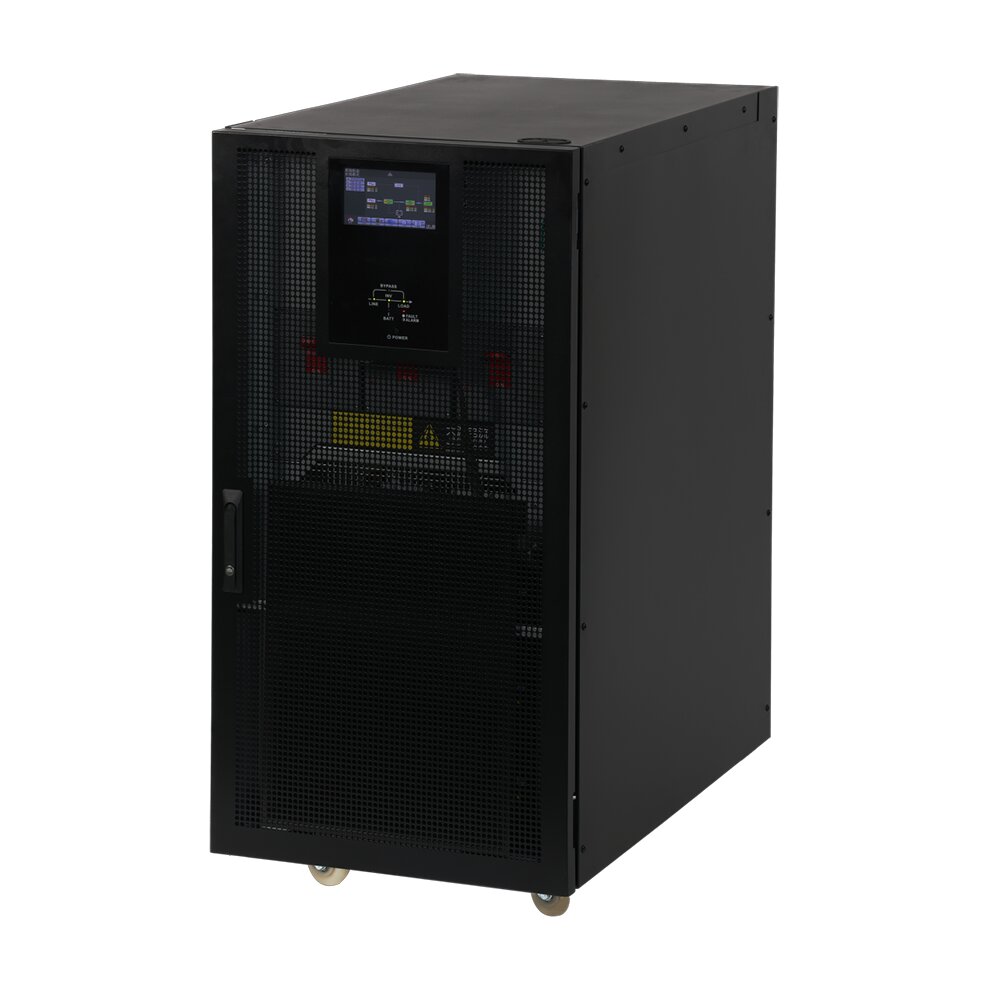
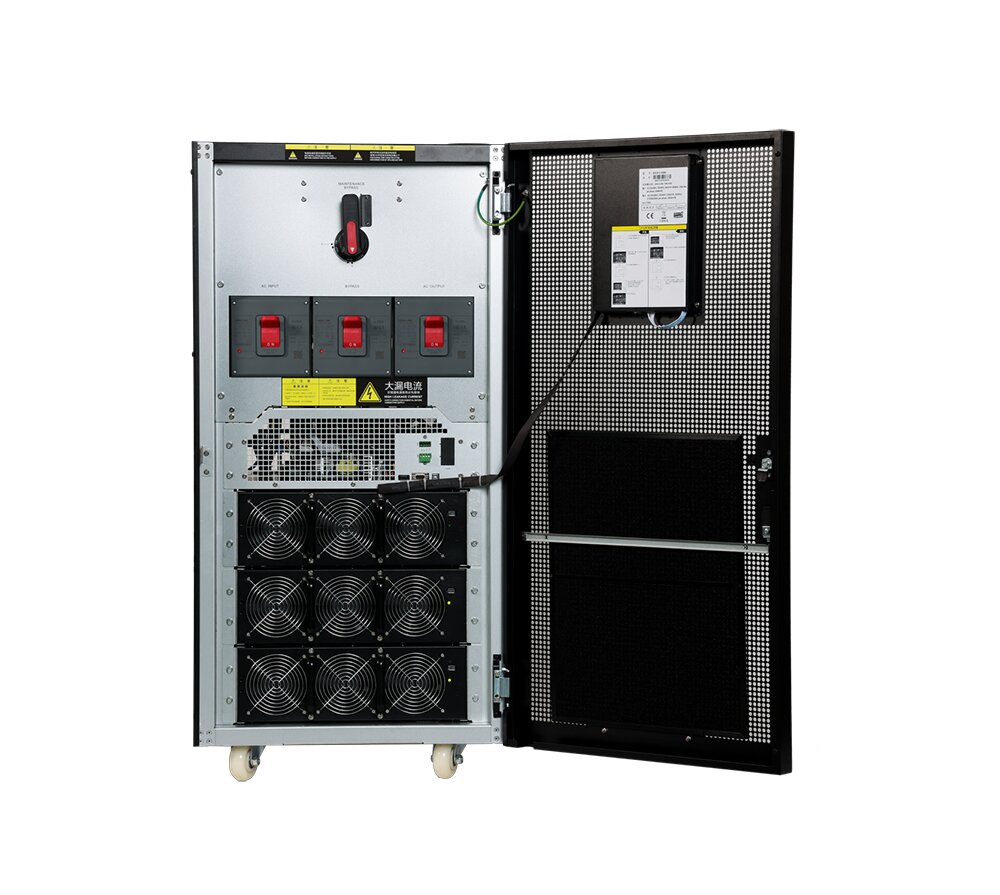
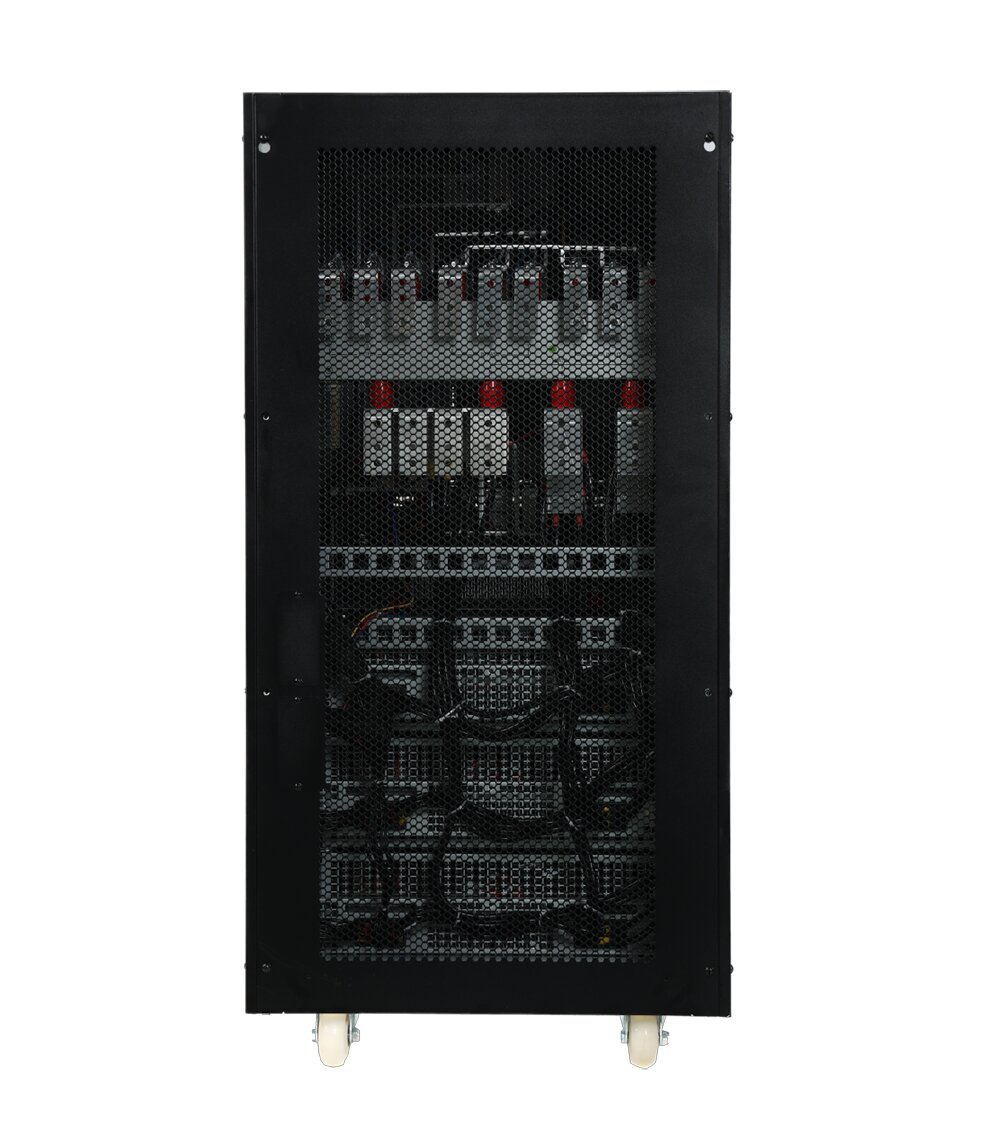
Engineered for large data centers and enterprise environments, our 160kVA, 180kVA, and 200kVA UPS systems deliver continuous, clean power with mission-critical reliability, superior efficiency, and comprehensive redundancy options.
160KVA-200KVA Tower UPS Specifications
True On-line Double-Conversion UPSThree Phase UPSFactory direct price
The RM33 Tower Series is a high-performance power protection device utilizing advanced high-frequency technology. Designed for stability and reliability, it offers 10-200kVA models to suit various enterprise needs.
Application Scenarios
Telecommunications, Finance, Education, Transportation, Broadcasting, Medical, and Manufacturing.
Key Features
✅ True Double-Conversion Technology
✅ DSP High-Performance Control
✅ Active Power Factor Correction (APFC)
✅ Energy-Saving ECO Mode (98.5% Eff.)
✅ Dual AC Input & Generator Compatible
✅ Parallel Operation & Shared Battery Banks
✅ Adjustable Battery Quantity (16-40 Blocks)
✅ Hot-Swappable Power Modules
RM33 Series High-Frequency Tower UPS Technical Specifications
160kVA-200kVA UPS systems (160,000-200,000 VA) represent the enterprise-grade solution for large data centers and mission-critical infrastructure that demands the highest levels of reliability and availability. Our RM33 Series models combine exceptional power density with flexible redundancy options, making them ideal for multi-facility deployments, cloud infrastructure, and large-scale operations.
Enterprise-class power for large data centers and server farms
Optimized efficiency—lower electricity and cooling costs at scale
Unlimited scalability with parallel and N+1 redundancy topologies
True online double-conversion for zero transfer time protection
Advanced monitoring: SNMP, Modbus, Ethernet, and cloud integrations
Three-phase power for balanced distribution across enterprise racks
Designed for performance and reliability
From advanced lithium-ion options to service-friendly hot-swap modular batteries, our 160-200kVA UPS units are engineered to minimize downtime and maintenance. Expect high input power factor, pure sine-wave output, and compatibility with modern enterprise power distribution systems—ensuring predictable performance under sustained heavy loads.
Get a tailored 160kVA-200kVA solution
Need a 160-200kVA configuration with extended runtime, lithium chemistry, N+1 redundancy, or parallel scaling? Tell us about your data center load and required runtime, and our power engineers will propose an optimized solution.
Business Impact: Why 160kVA-200kVA UPS Systems Matter
Achieve 99.999% Infrastructure Availability
With redundant architectures and zero-transfer switching, ensure continuous operation for your most critical enterprise systems. Prevent costly downtime that impacts revenue, operations, and customer trust.
Protect Massive Data Center Investments
Safeguard databases, cloud infrastructure, and intellectual property from corruption. Ensure data integrity across your entire enterprise and maintain regulatory compliance for critical systems.
Optimize Enterprise TCO
High-efficiency RM33 systems reduce electricity consumption by 20-30%. Modular designs minimize maintenance costs and extend equipment lifespan significantly in large-scale deployments.
Streamline Critical Infrastructure Management
Centralized monitoring and cloud-based management reduce manual oversight. Predictive analytics enable proactive maintenance, minimizing emergency interventions in enterprise environments.
Meet Stringent Compliance Requirements
Satisfy industry standards (HIPAA, PCI-DSS, SOX, ISO 27001, etc.) mandating backup power for critical systems. Automatic documentation supports audit readiness for enterprise deployments.
Scale Without Limits
Parallel operation capabilities allow unlimited scaling. Support parallel configurations, extended battery runtimes, and advanced integrations without complete system replacement.
160kVA-200kVA UPS FAQ
How is 160kVA-200kVA different from smaller capacity UPS systems?
A 160-200kVA UPS delivers 4-20 times the power of smaller systems, making it suitable for entire data center rooms or large distributed infrastructure. This capacity supports hundreds of servers with advanced features like true redundancy and parallel scaling not feasible at smaller sizes.
What runtime can I expect from a 160kVA-200kVA UPS?
Runtime depends on load and battery configuration. At 50% load, a typical unit with standard batteries can provide 10-20 minutes to gracefully shut down systems; adding external battery cabinets or lithium options can extend runtime to 30+ minutes or even hours.
Can 160kVA-200kVA UPS units be paralleled for more capacity?
Yes—our RM33 Series models support parallel or N+1 redundant configurations to double capacity or add fault tolerance. Parallel capability is standard in most enterprise models; consult our engineers for multi-unit deployment guidance.
Is lithium battery technology available for 160kVA-200kVA systems?
Absolutely—lithium-ion batteries are standard options for these platforms, offering superior cycle life (15–20 years), reduced footprint, faster recharge, and lower operational costs. We can model lifecycle cost comparisons for lead-acid vs. lithium in your data center environment.
How do I size a 160kVA-200kVA UPS for my data center?
Calculate total IT equipment wattage, account for power factor and efficiency headroom, and add 20–30% capacity buffer. Provide your equipment list, expected growth, and criticality level, and our engineers will design the optimal configuration with redundancy and monitoring.